

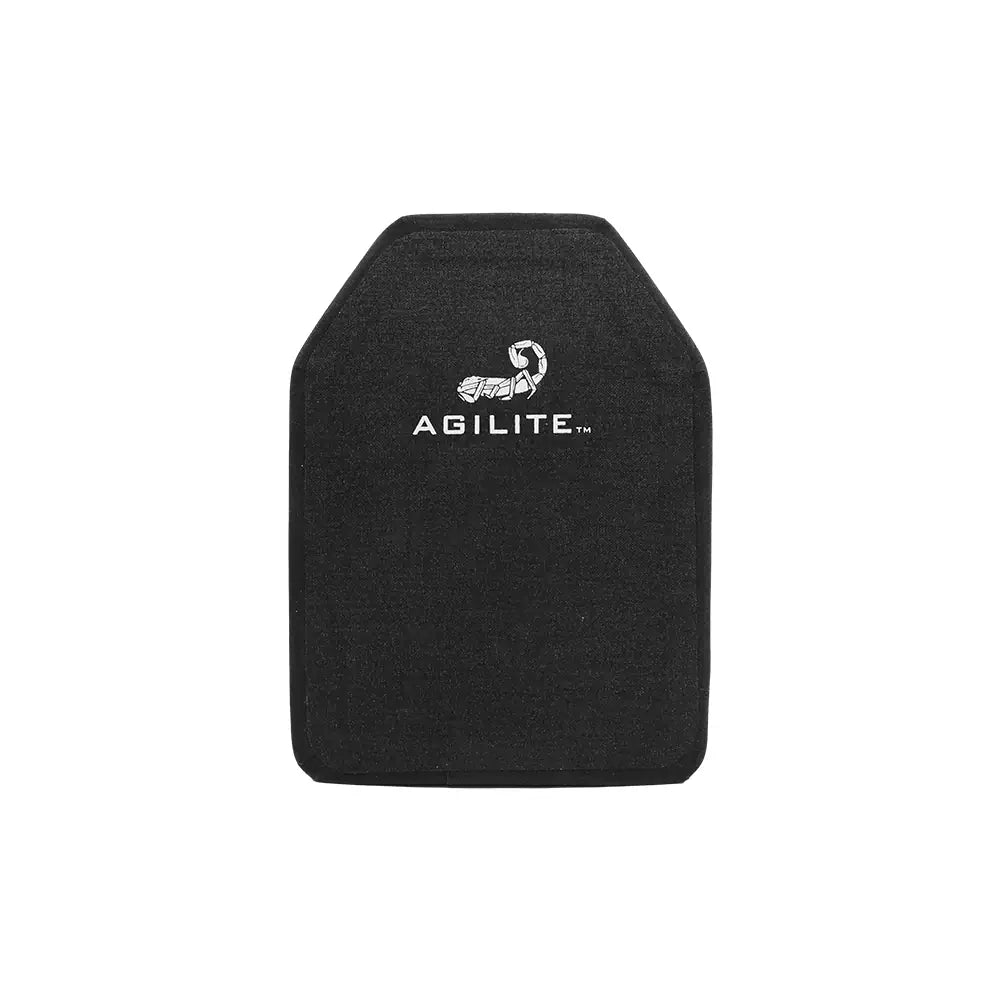
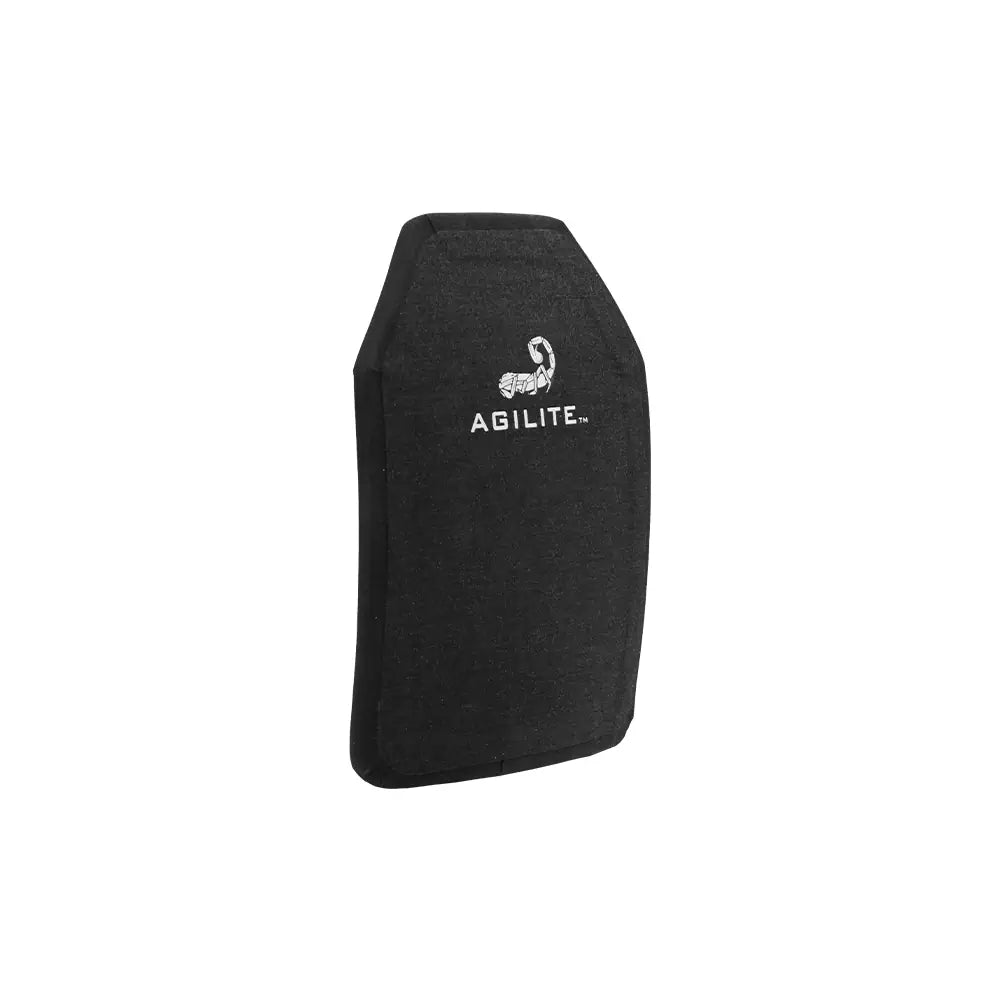
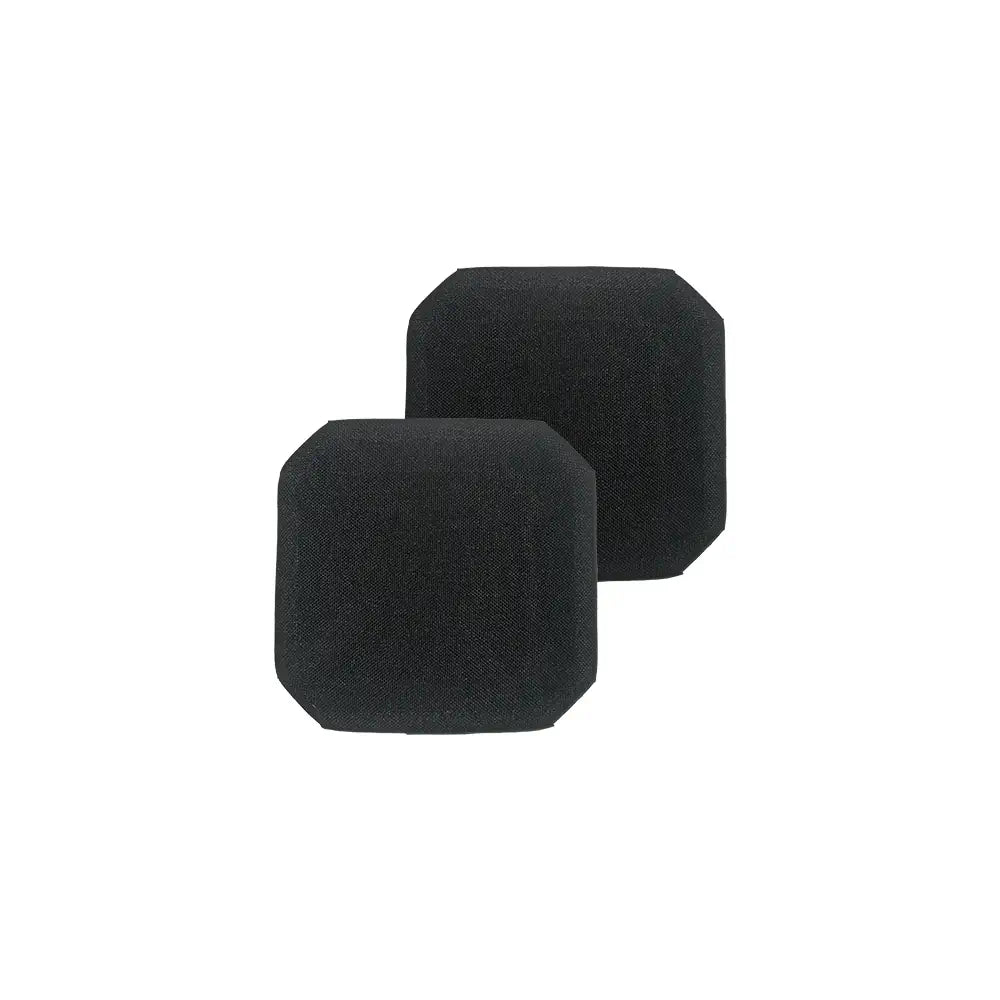
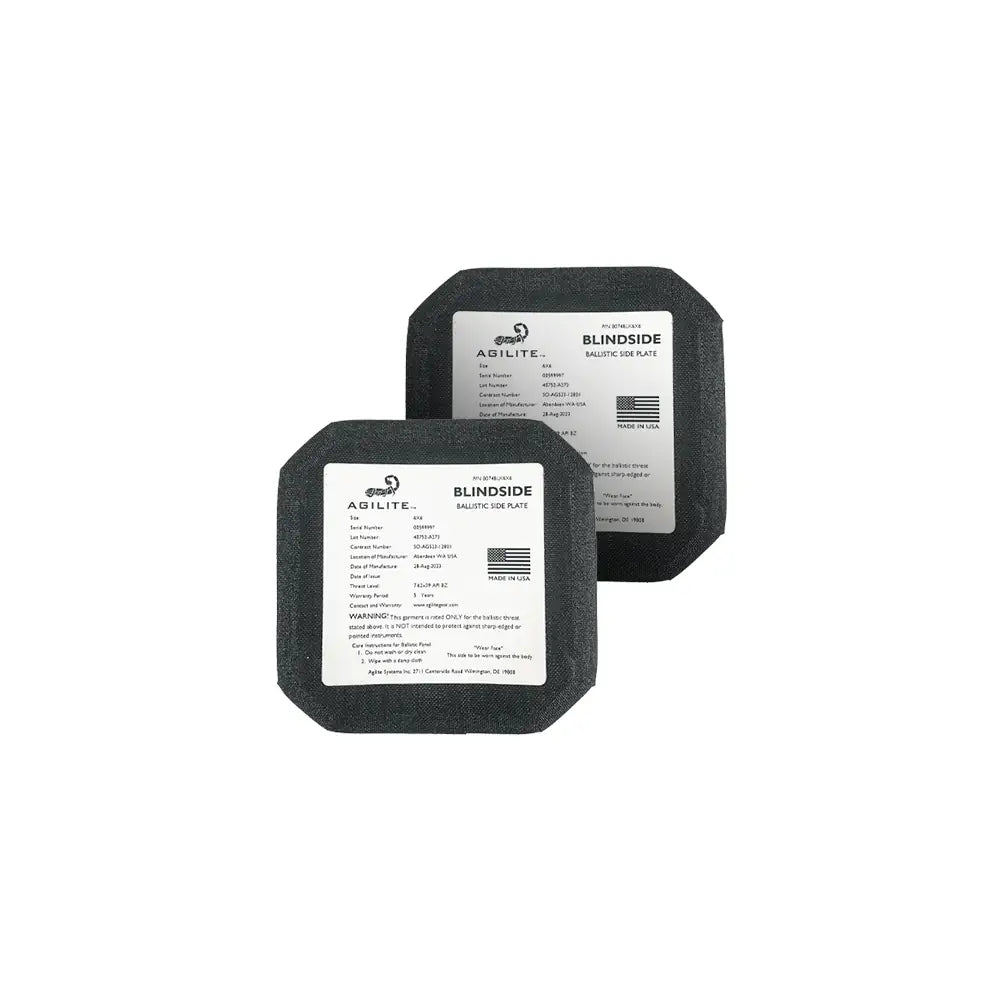
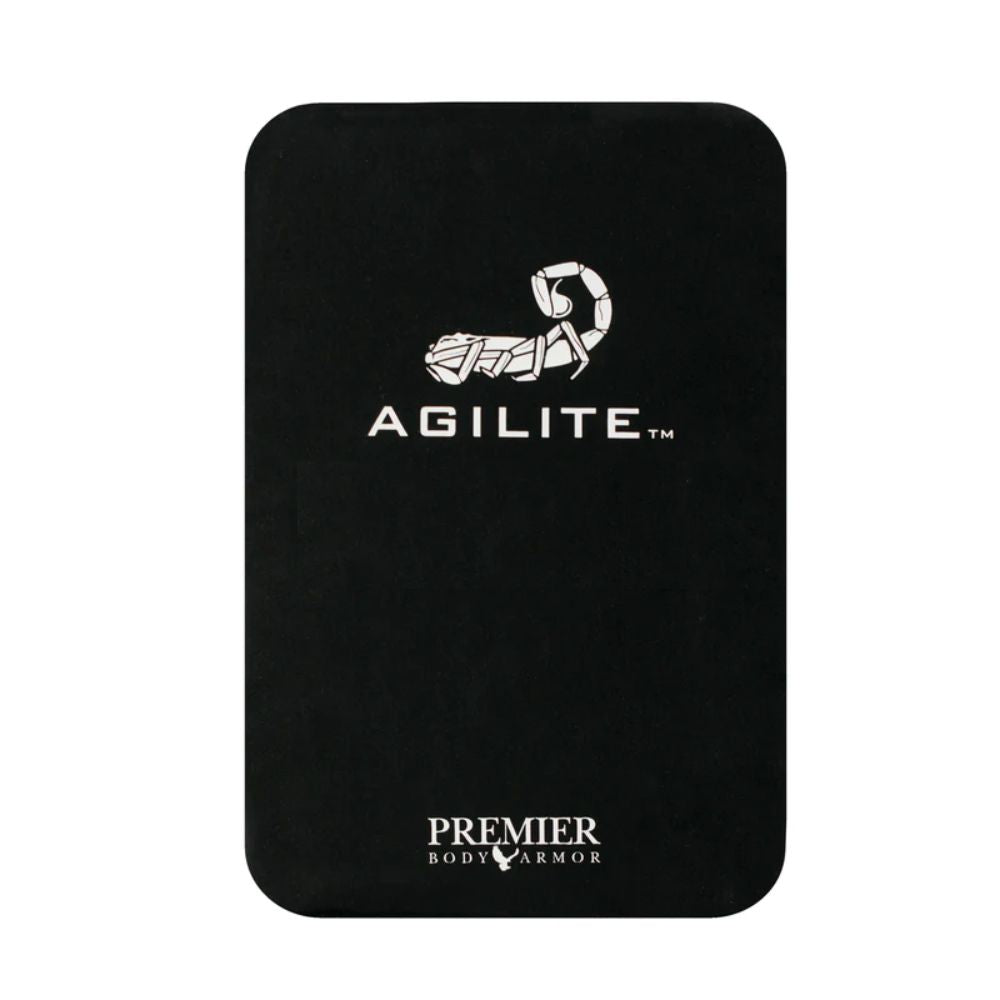
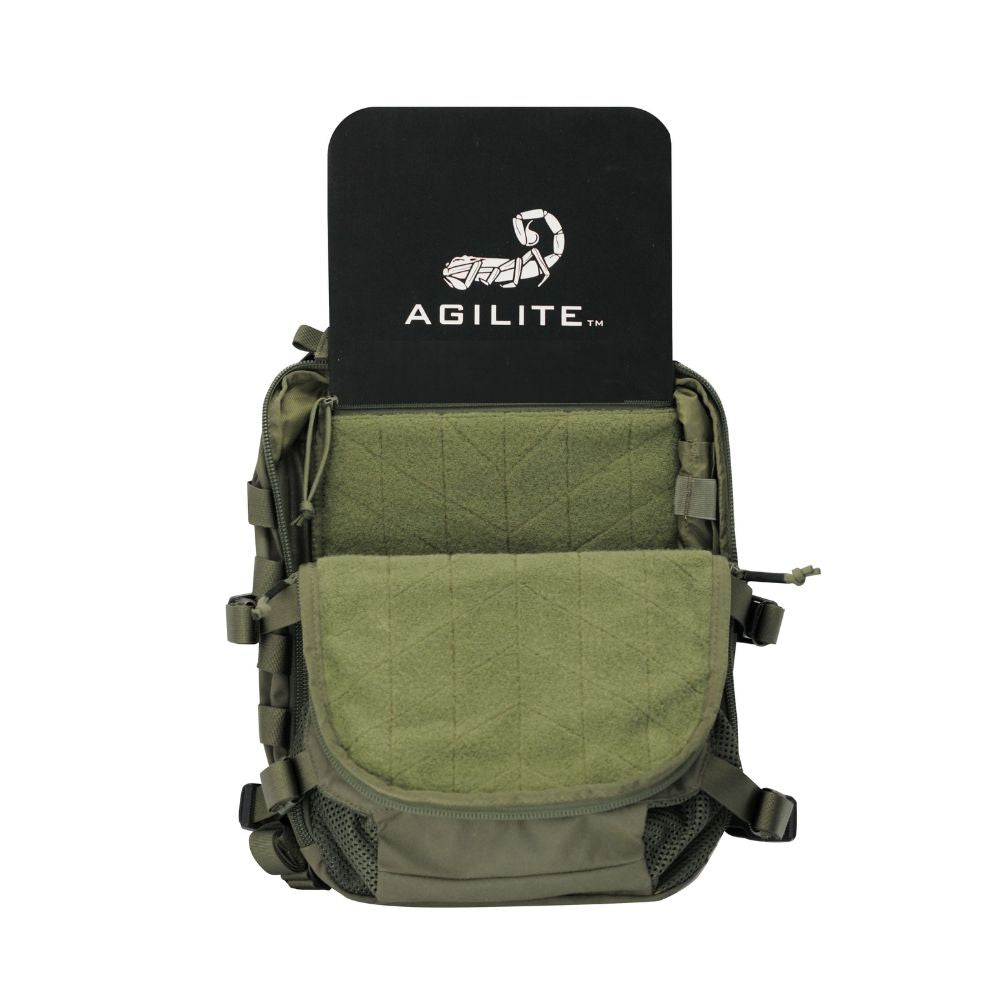
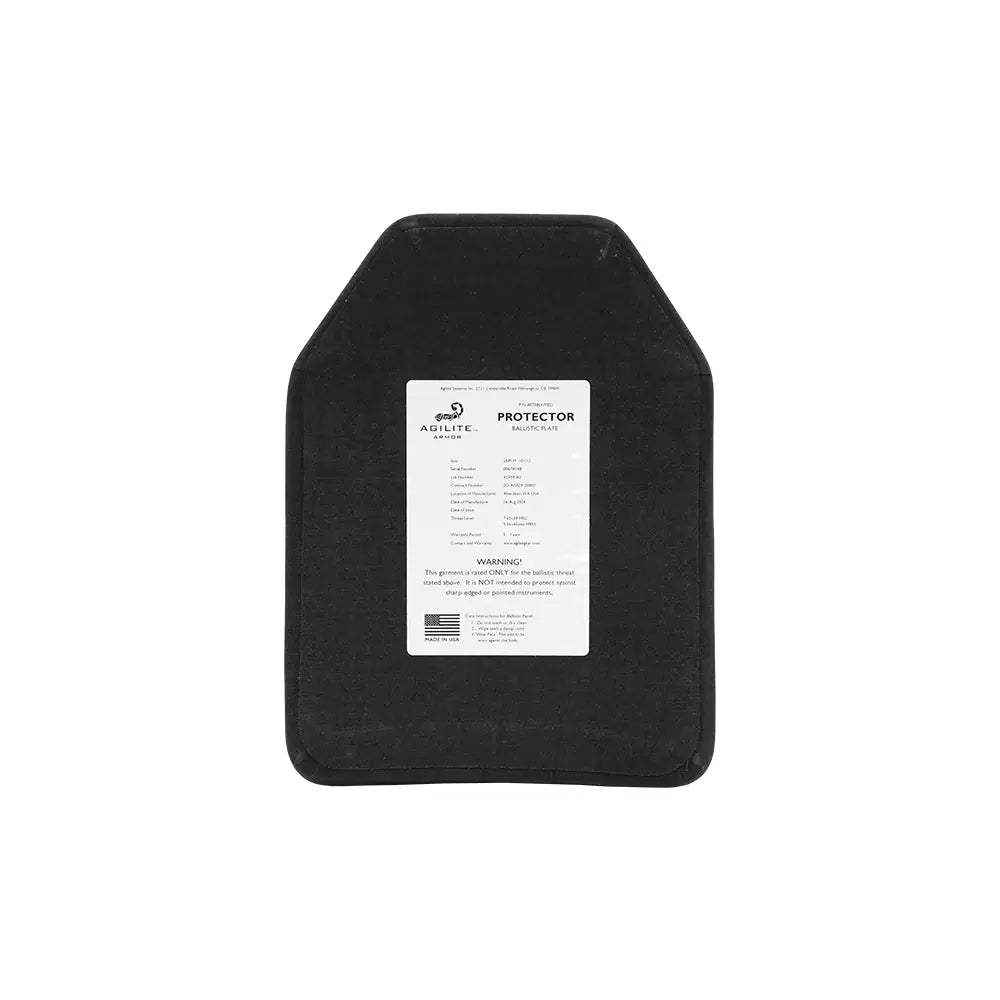
Cuts and Shapes of Armor Plates
The "cut" of a ballistic plate refers to its physical shape and how much surface area it covers versus the range of motion it allows. Choosing the right cut is a balance between maximum protection and the mobility required for your specific mission or task.
- Full Cut: A simple rectangular or slightly rounded shape. It provides the maximum surface area of protection but can significantly restrict arm movement and is generally less comfortable for dynamic shooting positions.
- SAPI (Small Arms Protective Insert): The industry standard for military and law enforcement. It features moderately angled "cutouts" at the top corners (the shoulders) to allow for better stock weld and arm movement while maintaining high coverage.
- Shooter’s Cut: Similar to SAPI but with more aggressive tapering at the shoulders. This is designed for users who prioritize being able to move their arms freely and shoulder a rifle without the plate interfering.
- Swimmer’s Cut: The most aggressive taper available. It features deep cutouts at the shoulders to allow for a maximum range of motion for the arms and chest, originally designed for maritime operations where swimming or high mobility is constant.
Protection Classification of Armor Plates
To understand what a plate can stop, we look to the standards set by the NIJ (National Institute of Justice). The NIJ establishes the ballistic resistance requirements and testing methods used to verify that armor can withstand specific calibers and velocities. Testing involves firing specific rounds at the plate under controlled conditions to ensure there is no perforation and that the "backface signature" (the dent made in the backing material) remains within safe limits.
- Level III: Designed to stop rifle rounds, specifically 7.62mm FMJ (military designation M80) at a velocity of approximately 2780 fps.
- Level III+: While not an official NIJ category, this is a common industry term for plates that exceed Level III requirements, often tested against "special threats" like M855 (Green Tip) or 7.62x39mm Mild Steel Core.
- Level IV: The highest rating, designed to protect against armor-piercing (AP) rifle rounds. Testing involves stopping a .30 caliber armor-piercing bullet (U.S. Military designation M2 AP) at a velocity of 2880 fps.
Legality of Armor Plates in the United States
In the United States, it is generally legal for law-abiding citizens to purchase and wear body armor. However, federal law prohibits convicted felons from possessing body armor. Additionally, some states have specific regulations; for example, certain states may prohibit the online sale of armor to residents or restrict wearing it during the commission of a crime. It is always recommended to check your local and state statutes before purchasing.
Expiration and Maintenance
Armor plates do not "expire" in the way food does, but they do have a service life, typically 5 to 10 years depending on the materials used (ceramic vs. polyethylene). Over time, exposure to extreme heat, moisture, and constant vibration can potentially degrade the integrity of the ballistic materials.
To preserve your plates:
- Storage: Store them flat in a cool, dry place away from direct sunlight.
- Inspection: Periodically check the outer cover for rips or tears that could let moisture in.
- Handling: Avoid dropping ceramic plates, as internal micro-fractures—which may not be visible to the naked eye—can compromise their ability to stop a round.
| Model | Price | Weight | Threat Rating | Curve Type | Rounds Defeated | Best Choice For |
|---|---|---|---|---|---|---|
| Protector™ | $249.00 (inc. free shipping) | 4.9 lbs | Level 3ST (Special Threat) | Multi Curve |
|
|
| Warrior™ | $699.00 (inc. free shipping) | 5.6 lbs | Level 4 | Multi Curve |
|
|
| Operator™ | $1,379.00 (inc. free shipping) | 5.09 lbs | Level 4+ | Multi Curve |
|
|